
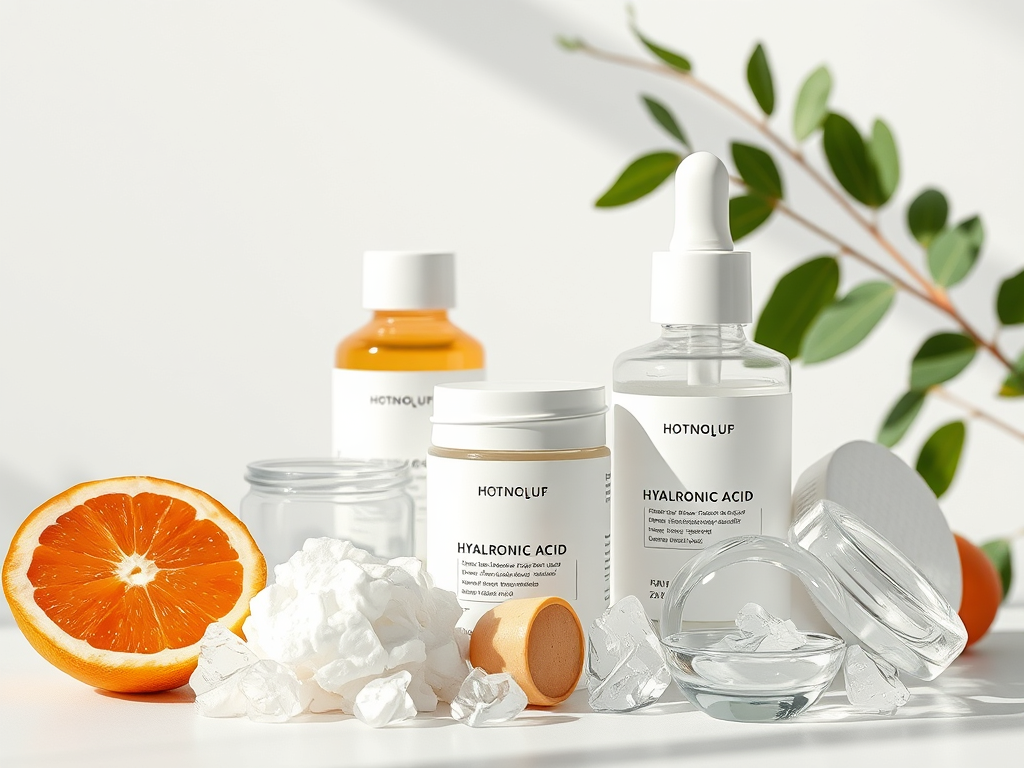
The Science of Skincare Starts at the Label
Most skincare advice opens with a promise. A more useful starting point is the back of the bottle. Before any formula can flatter your skin, it has to do three unglamorous jobs: attract water, keep water from leaving, and feel pleasant enough that you will keep reaching for it. An ingredient list is mostly a record of how a formulator balanced those three jobs against cost, stability and texture. Learn the pattern and shopping gets simpler, cheaper and far less confusing.
What follows is a practical, label-first guide. We look at the functional categories that appear again and again in bath, body and lip products, then connect them to real items in the Tri-Valley range using the names, sizes and prices published on each product page. No miracles, no clinical language, and an honest note at the end about what a product page cannot tell you.
The Three Jobs Almost Every Formula Performs
Ingredient names look intimidating because they are precise, not because they are mysterious. Nearly every leave-on product you own is a blend of three roles, and the roles are easier to remember than the names.
Humectants hold water
These ingredients draw water toward the surface of the skin. Glycerin and hyaluronic acid are the ones most often discussed, and they turn up in everything from cleansers to lip balms. On their own they can feel tacky, so they are usually paired with something that seals them in.
Emollients soften and smooth
Oils, butters, waxes and esters fill the tiny gaps between flakes of skin so the surface feels flexible instead of rough. This is the category doing most of the visible work in body oils, body butters and hand creams.
Occlusives slow water loss
These form a light film that reduces evaporation. They are why a heavy balm can feel protective on a dry heel at night, and why the same balm can feel greasy on your face.
Emollients in Practice: Oils, Butters and Balms
If you want to see the emollient category at work, look at how a brand packages it. A spray is for broad areas you want to cover quickly; a stick is for corners such as elbows, knees and cuticles; a cream sits in between and is usually the easiest choice for hands you wash all day.
The Skin So Soft Original Gift Set at $31.49 bundles three formats of the same idea: a 6.76 fl. oz. gelled body oil, a 5 fl. oz. bath oil spray and a 1.7 oz. net wt. body oil stick, plus a blue snowflake gift bag. Buying it as a set is a low-effort way to find out which texture suits you before committing to a full size of any single one.
The Skin So Soft Soft & Sensual Gift Set at $25.99 takes a similar approach with a different balance: the same 6.76 fl. oz. gelled body oil and 1.7 oz. body oil stick, but a larger 3.4 fl. oz. hand cream in place of the bath spray. If your hands are the driest part of your routine, that trade is the more sensible one.
Fragrance: The Ingredient You Either Want or Avoid
Scent is a legitimate design choice, not a flaw. A fragrance can make a product pleasant enough to use consistently, which matters more than most people admit. It is also the ingredient most likely to be the reason a formula feels irritating to a particular person. Both things can be true, so treat fragrance as a preference to be managed rather than a villain.
On the scented side, the Senses S’mores & Snuggles Gift Set at $24.99 includes a 6 oz. net wt. whipped body butter, a 24 fl. oz. bubble bath and a 1.7 fl. oz. hand cream, plus a Fair Isle gift bag. On the fragrance-free side, the Avon Calendar Lip Balm at $3.00 is a 0.16 oz. net wt. printed balm formulated without fragrance. Keeping one of each in the house is a reasonable strategy: scented for pleasure, unfragranced for the days your skin is asking for less.
Small Formats, Real Ingredient Decisions
Lip balm is the cheapest place to practise label reading. Lip skin is thin, and whatever you apply tends to stay there a while, so the formula matters more than the packaging suggests. Two options here share a similar brief: the Senses Hot Chocolate Lip Balm and the Senses Vanilla Latte Lip Balm, each $3.00 for 0.14 oz. net wt., both described as formulated with vitamin E and aloe vera. Vitamin E and aloe are the kind of supporting ingredients that appear in this category for feel and comfort rather than dramatic claims, and both balms are positioned as small gifts rather than treatments.
If you would rather test several formats at once, the Merry Snuggle Gift Set at $9.99 is the most compact way to do it. It pairs both of those lip balms with a 1.7 fl. oz. Skin So Soft Original Hand Cream and a 1.7 fl. oz. Skin So Soft Soft & Sensual Hand Cream. Four different products for the price of two mid-range lip balms is the sort of bundle arithmetic worth doing before you buy full sizes blind.
When the Active Is the Whole Point
Not every product is a blend. Some stand on a single named active, and that changes how you should read the label. The Skin So Soft Bug Guard Plus Picaridin Pump Spray at $14.00 is a 4 fl. oz. pump spray built on picaridin, described as an insect repellent and an alternative to DEET with a low odour and a light, clean feel. Its label covers mosquitoes, deer ticks, gnats, no-see-ums, sand flies and biting midges.
Repellents sit in a different regulatory world from moisturisers, and that is the point worth taking from this section: when a product carries a specific labelled purpose, follow the label directions, including how and when to reapply, rather than treating it like a body oil.
What This Page Cannot Tell You
Honesty matters more than a tidy ending. The product information used here is limited to names, sizes, published prices and short descriptions. Full ingredient lists, concentrations and third-party testing details are not included, so nothing on this page can tell you whether a specific formula will suit your skin.
Nothing here diagnoses, treats, cures or prevents any condition, and no outcome is guaranteed. If your skin is reactive, or you are managing a skin condition or using prescription treatment, ask a clinician or pharmacist before layering new products on top. Patch test anything new on a small area first, especially fragranced formulas, and stop using a product if it stings or itches.
A Shorter Routine, Built in Order
The practical conclusion is the opposite of a ten-step shelf. Build your routine in the order the three jobs need to happen: wash or bathe, apply an emollient while skin is still slightly damp so it has water to work with, then add an occlusive layer only where skin feels tight or cracked. Fragrance is a preference layered on top, not a step.
Buy small before you buy big. A $3.00 lip balm or a $9.99 bundle teaches you more about your own preferences than any review will, and the larger sets only make sense once you already know which texture you reach for. Ingredient science is not a secret handed down by brands; it is a way of reading a label and asking a simpler question: which of these three jobs does this product actually do for me?