
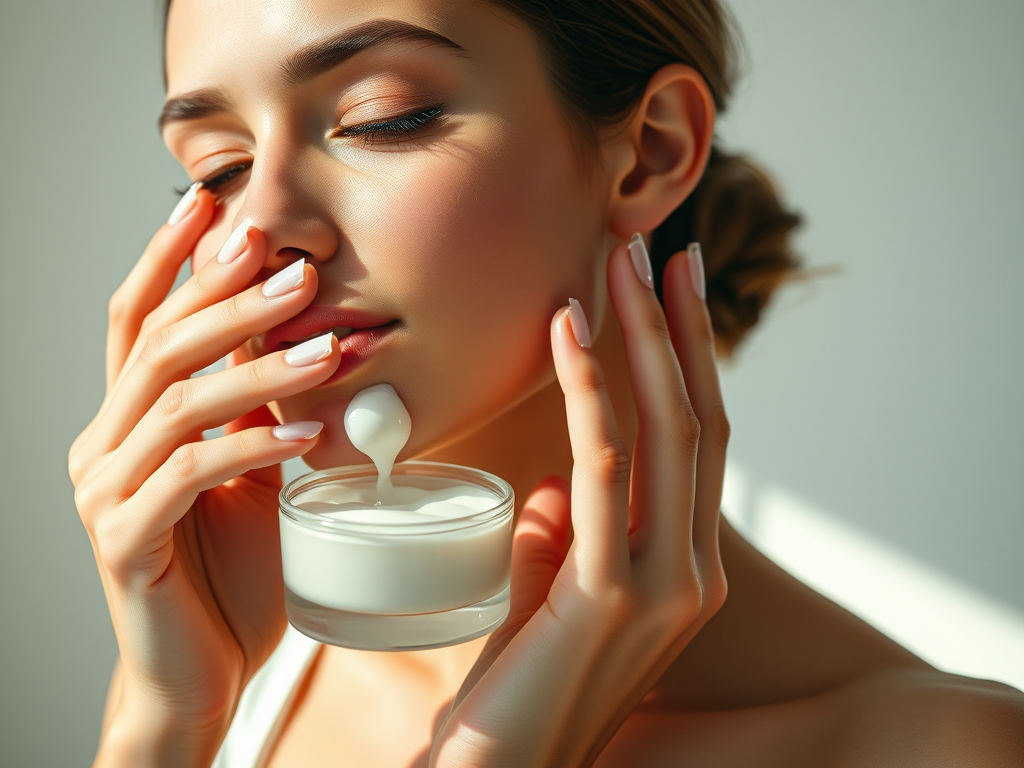
Gel Cream for Anti-Aging: A Makeup-Friendly Angle
Most anti-aging routines stop at the moisturizer and never ask what happens next. This article takes the opposite approach: it treats gel cream as the first layer of a routine that has to survive a full face of makeup. If foundation, bronzer, blush and eyeshadow sit on top of whatever you apply after cleansing, then texture matters as much as hydration. That is where a water-based gel cream earns its place.
A gel cream sits between a serum and a traditional cream. It is lighter than a rich moisturizer and usually more cushioning than a watery serum, and it tends to dry down without the film that heavier creams leave behind. For anyone who layers color products afterward, that dry-down is the practical benefit, not just a marketing detail.
Why Lightweight Hydration Matters More With Age
Skin changes over time. It often produces less oil, holds less water and looks less plump, which is why fine lines can appear more pronounced on a dry surface. Hydration does not reverse those changes, but a well-moisturized surface tends to look smoother and reflect light more evenly, and makeup sits on it with fewer dry patches.
The honest framing is this: gel cream is a moisturizer, not a treatment. It supports the look of hydrated skin. It does not restructure skin, and no moisturizer should be described as a cure for anything.
What to look for in the formula
Humectants such as glycerin and hyaluronic acid are common in gel creams because they attract water. Some formulas add niacinamide, ceramides or lightweight emollients. If your skin is oily or combination, a gel texture is often easier to wear daily than a heavy cream. If your skin is very dry, a gel cream may need a richer product layered over it at night. Patch testing is still the sensible first step, especially if your skin reacts easily.
How to Layer Gel Cream Under Makeup
Step 1: Cleanse, then apply gel cream to slightly damp skin
Applying to damp skin helps spread a small amount evenly and can improve how the product feels. Wait a minute or two. If the surface still feels tacky, you have used too much, and primer will not fix that.
Step 2: Give it time before primer
Primer grips best on settled skin, not on wet product. A gripping primer is a useful bridge between skincare and color, and it is the layer that keeps bronzer and blush from sliding. This is where a set such as the Bronze & Glow Set makes sense, because it bundles a gripping primer with a liquid blush and a sculpting powder rather than selling three separate textures you have to guess at.
Step 3: Build color in thin layers
Hydrated skin takes powder more forgivingly, but thin layers still beat one heavy pass. Cream and liquid formulas tend to blend more easily over a smooth base, while powders need a light hand. An eyeshadow set that includes a primer and a brush, like the Glimmer Eyes Set, removes some of the trial and error because the primer is already part of the kit.
Step 4: Finish, then reassess at the end of the day
Check your skin in natural light a few hours in. If color has separated on the cheeks or settled into dryness around the eyes, the fix is usually less gel cream in the morning or a slightly richer product at night, not more powder.
What Gel Cream Cannot Do
It is worth stating plainly. A gel cream will not remove wrinkles, lift skin or replace sunscreen, retinoids or professional advice. It will not make pores disappear. What it can do is keep the surface comfortable, reduce the tight, dehydrated feeling that makes texture look worse, and create a smoother base for the color products you wear. Anyone promising more than that is overselling a moisturizer.
Sun protection remains the single most important daily step for skin appearance. Gel cream is not a substitute for it. If you use active ingredients, introduce them gradually and let your skin adjust.
Where Makeup Fits After Skincare
Once the base is sorted, the color side should match your habits rather than a trend. If you like a soft, luminous look, satin and shimmer textures are easier to control than heavy matte finishes. The Glimmer Satin and Shimmer Set pairs a satin lipstick with a liquid eyeshadow and a cheek color, which covers the three areas most people touch up during the day. Its counterpart, the Glimmer Matte and Shimmer Set, swaps in a matte lipstick and a cooler cheek shade for anyone who prefers less shine.
Eyes are often where a routine gets abandoned, so a compact kit helps. The Beauty Basics Eye Set groups a volumizing mascara, an eyeshadow stick and a blending brush. For travel or a single-bag routine, the Bronze, Lip & Eyeshadow Set covers sculpting powder, a lip oil and an eyeshadow stick in one bundle.
Fragrance and accessories are a separate layer of the same idea. The Bestie Duo Set combines an eau de parfum with a quilted puffer bag, and the Scent & Style Edit Set pairs a different scent with a black quilted bag. Neither affects your skin, but both round out a routine that has to leave the house with you.
Putting It Together
The order that works for most people is simple: gentle cleanse, gel cream on damp skin, wait, then primer, then color. Adjust the gel cream amount by season. More in winter, less in humid summer, and a richer night product if mornings still feel tight.
Keep the routine small enough to repeat. A gel cream you actually use every day will do more for the look of your skin than an elaborate regimen you abandon after a week. The color products above are not skincare and are not sold as such, but they perform better on a base that has been looked after.
A Note on Sourcing
Prices, bundle contents and availability change, and the target site’s catalog in this context lists makeup, fragrance and fashion sets rather than a gel cream. If you are shopping specifically for a gel cream, that product is not among the items above, and this article does not pretend otherwise. Use the linked sets for the makeup and fragrance steps, and choose your moisturizer on formula and skin type.