
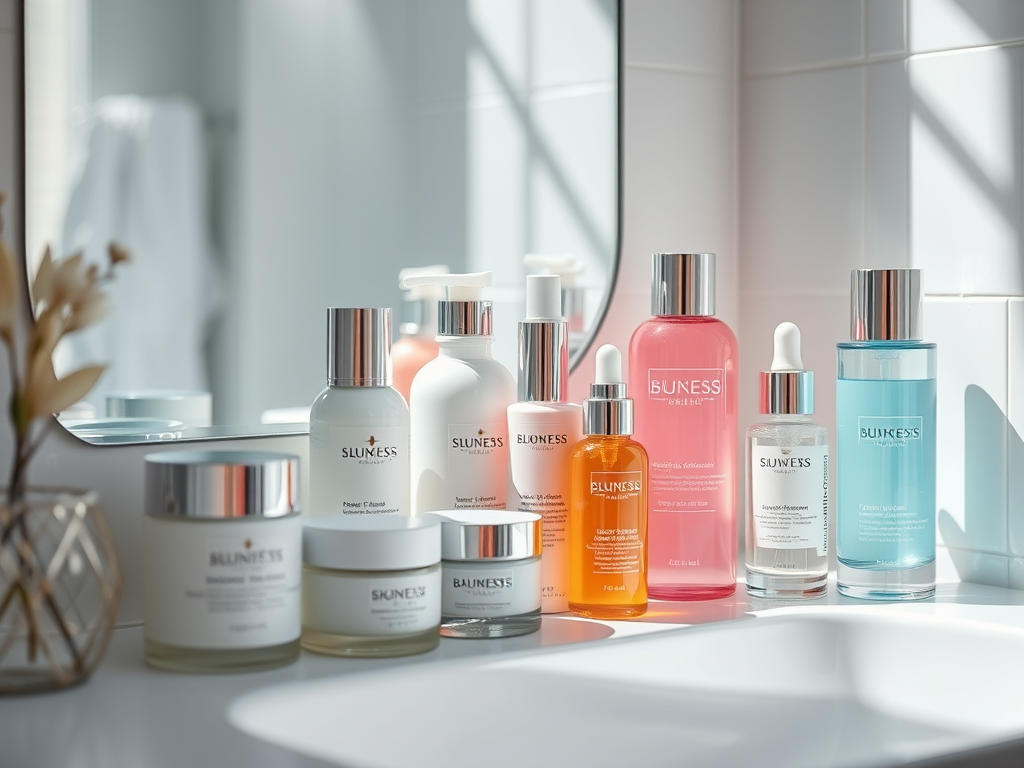
A Different Way to Think About Clear Skin
Most clear-skin advice starts with what to buy. A more useful starting point is what your skin does all day: it holds water in and keeps irritants out. When that barrier is intact, breakouts and uneven tone are easier to live with. When it is worn down by harsh scrubbing, over-exfoliating or a stressful stretch, almost anything can look like a flare. This guide treats clear skin as a maintenance habit rather than a rescue mission, and it also covers what to do with makeup while your skin is still settling.
The Routine That Does Most of the Work
You do not need a ten-step shelf. A short, repeatable routine is easier to keep and less likely to irritate skin that is already unhappy.
1. Cleanse without stripping
Wash once or twice a day with lukewarm water and a gentle cleanser, and stop while your skin still feels comfortable rather than squeaky. That tight, dry feeling afterwards usually means you removed more than you needed to.
2. Moisturize for barrier support
A basic moisturizer morning and night is described as formulated to help skin hold onto water and feel soft. Oily skin often prefers a lighter lotion; dry or tight skin often prefers something richer. Consistency matters far more than the number of products on the shelf.
3. Protect with sunscreen
Daily sun protection is the least exciting and most dependable step in any skin routine. Pick a formula you will genuinely wear every day, and reapply when you are outside for long stretches.
Lifestyle Levers Worth Pulling
Products are only part of the picture, and the free habits are often the ones people skip.
Hands off
Picking and squeezing can turn a small blemish into a mark that lingers for months. This is one of the few areas where doing nothing is genuinely the better option.
Sleep and stress
Short sleep and ongoing stress rarely do anyone’s skin any favours. Protecting your sleep window and finding a way to wind down is unglamorous but useful.
Diet, honestly
Food affects people differently, and broad claims about single “bad” foods are not well supported for everyone. If you notice your skin reacting to something specific, a simple food-and-skin note on your phone is more useful than cutting out entire food groups.
When Makeup Is Part of the Plan
Makeup sits on the surface of the skin, and it does not have to work against it either. The practical rules are simple: keep tools clean, take makeup off before bed, and choose textures that suit how your skin feels that day. While skin is settling, lighter layers usually feel more comfortable than heavy coverage.
Start with eyes and lips
If you want colour without a full face, eye and lip products are the easiest place to begin. The Beauty Basics Eye Set ($20.99) pairs a volumizing mascara, a Tidal Wave eyeshadow stick and a blending brush. The Glimmer Eyes Set ($24.99) adds a Temptress eyeshadow quad, a gripping primer and a precision eye brush.
Add warmth and colour gradually
Bronzer, blush and lip colour are easier to control when you build them in thin layers rather than one pass. The Bronze & Glow Set ($26.99) bundles a liquid blush, a gripping primer and a sculpting powder. The Bronze, Lip & Eyeshadow Set ($23.99) combines a sculpting powder, a plush lip oil and an eyeshadow stick.
For a softer finish, the Glimmer Satin and Shimmer Set ($20.99) includes a satin lipstick, a shimmer liquid eyeshadow and a cheek colour. The Glimmer Matte and Shimmer Set ($20.99) swaps in a matte lipstick and a different cheek shade for the same layered approach.
Scent and everyday carry
Finishing touches matter too. The Bestie Duo Set ($29.99) pairs an eau de parfum with a quilted nylon puffer bag, while the Scent & Style Edit Set ($29.99) pairs a different eau de parfum with a black quilted bag. Both are described as everyday scent and carry pieces rather than skin care.
What These Products Are For
The cleansers, moisturizers and makeup sets in this guide are described as formulated to hydrate, soften and add colour and finish. Cosmetics sit on the surface; they are there to support a simple daily routine, not to replace professional care.
Timelines are personal. Some people notice changes in a few weeks, others need several months, and some skin needs help beyond drugstore basics. If breakouts are painful, widespread, scarring or not improving, that is a signal to see a qualified professional rather than to buy more products. Patch-test anything new, introduce one product at a time, and stop if your skin becomes irritated.
The Patient Version of Clear Skin
Clear skin is less about a single product and more about a short routine you repeat, a few lifestyle habits you protect, and enough patience to let both work. Use makeup as a finishing touch rather than a fix, keep your expectations honest, and give your skin the one thing no bundle can supply: time.