
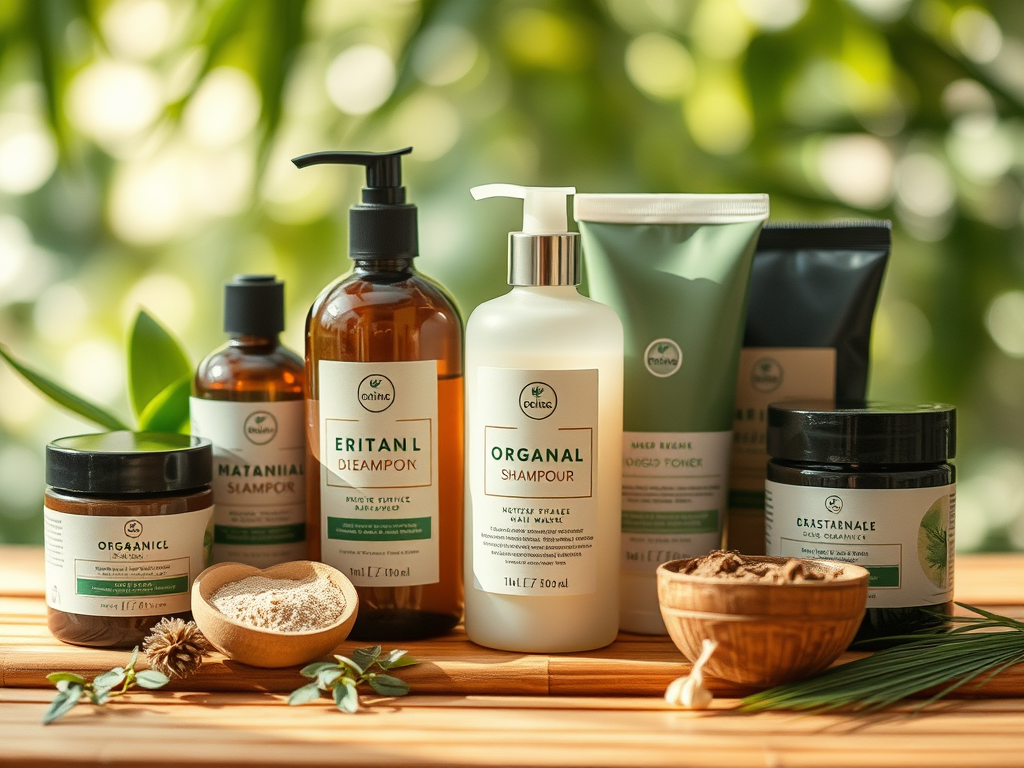
Begin With the Bottles You Already Own
Before buying anything new, use up what is already in your shower. Finishing a half-empty conditioner and recycling the bottle is the lowest-waste choice available, and it costs nothing. Greener hair care is less about a shelf of new purchases and more about buying less often, choosing packaging you can actually recycle or refill, and knowing which claims on a label carry weight.
This guide covers how to read an ingredient list, why packaging often matters more than the formula, and how to run a smaller routine. It also flags something up front: the store this page belongs to, tri-valley.us, currently carries makeup, fragrance and bag bundles rather than dedicated shampoos or conditioners. Those bundles are listed further down for exactly what they are, not as hair products.
What Eco-Friendly Actually Means on a Label
There is no single legal definition of eco-friendly hair care. The term is marketing language, and it can describe anything from a fully refillable system to a bottle with a green leaf on it. That does not make the label useless, but it does mean you have to look past it.
Claims that carry some weight
- Specific, checkable packaging facts: recyclable, refillable, made with post-consumer recycled plastic, or sold as a solid bar with no bottle at all.
- Short, readable ingredient lists where you recognise most of what is named.
- Concentrated formulas, which shrink the water and packaging shipped per wash.
Claims that mean very little
- Vague words like natural, pure or botanical. None of them is regulated for shampoo.
- Green imagery and earth-tone bottles, which say nothing about contents.
- Any suggestion that a wash-off product delivers a health outcome. It cannot.
Ingredients Worth Understanding
Conventional shampoos often rely on sulfates for lather, silicones for slip and shine, and parabens as preservatives. The practical concern is individual: sulfates can leave some hair types feeling stripped, and silicones can build up over time on fine or low-porosity hair. The environmental concern is what leaves the drain and reaches waterways, plus the plastic that stays behind.
The honest limitation is that naturally derived does not automatically mean gentler or greener. Essential oils can irritate a sensitive scalp, and a plant-based ingredient still has to be farmed, processed and shipped. Ingredient origin is one variable among several, not a verdict.
Packaging Is Half the Story
A solid shampoo bar removes the bottle entirely, which is a real reduction. It may still arrive wrapped, and it may not suit every hair type or water hardness. Refill pouches use less plastic than a new bottle but are not always recyclable where you live. A large pump bottle uses more material once, then lasts for months. The right answer depends on what your local recycling actually accepts, so check that before assuming a format is better.
A Smaller Routine, In Practice
The most effective changes are behavioural and free. Wash less frequently if your scalp tolerates it. Use less product per wash than the bottle suggests. Let hair air-dry instead of heat-styling daily. Choose one product that does two jobs rather than two single-purpose bottles. When you do replace something, replace one item at a time and finish it before buying the next.
Bundling fits the same logic. A single set grouping several full-size items into one order means fewer separate parcels, less individual cartoning and fewer delivery trips than buying each piece on its own. That is the one genuinely eco-relevant point about multi-piece sets, and it applies to makeup as much as anything else.
What tri-valley.us Currently Stocks
Being direct: this store does not currently list shampoos, conditioners, treatments or styling products. If you came here for a hair care recommendation, there is not one to give, and inventing a comparison would not help you. What the shop does carry are ready-made cosmetic and fragrance bundles. Here they are with their current listed prices, so you can judge for yourself:
- Bronze, Lip & Eyeshadow Set — $23.99
- Beauty Basics Eye Set — $20.99
- Glimmer Eyes Set — $24.99
- Bronze & Glow Set — $26.99
- Glimmer Satin and Shimmer Set — $20.99
- Glimmer Matte and Shimmer Set — $20.99
- Bestie Duo Set — $29.99
- Scent & Style Edit Set — $29.99
None of these is a hair product and none should be treated as one. They are listed because they are what the storefront sells, and hiding that would waste your time.
The Limits of Greener Hair Care
No shampoo prevents hair loss, permanently repairs split ends or resolves a scalp condition, whatever the bottle implies. If you are losing hair or your scalp is inflamed, itchy or painful, that is a question for a dermatologist, not a shopping decision. It is also worth being sceptical of any brand that leans on fear of conventional products rather than explaining what its own formula does.
Finally, eco-friendly is a direction, not a finish line. A bar shampoo shipped across an ocean is not obviously better than a locally made liquid one in a recyclable bottle. Do the parts that are easy and affordable for you, and skip the guilt about the rest.
Frequently Asked Questions
Are sulfate-free shampoos better for my hair?
Not automatically. They tend to lather less and can feel gentler on dry or colour-treated hair, but some people find them harder to rinse clean. It depends on your hair and scalp, not on the label alone.
Do shampoo bars work as well as liquid shampoo?
Many people get comparable results, but bars can be trickier with hard water and need to dry between uses or they dissolve quickly. The packaging saving is real; the performance varies.
Does tri-valley.us sell hair care products?
Not at the time of writing. The catalogue is makeup, fragrance and bag bundles. The sets linked above are cosmetic and fragrance items, not hair products.
What is the single biggest change I can make?
Buy less often and finish what you own. That reduces packaging and shipping more reliably than switching brands, and it costs nothing to start today.