
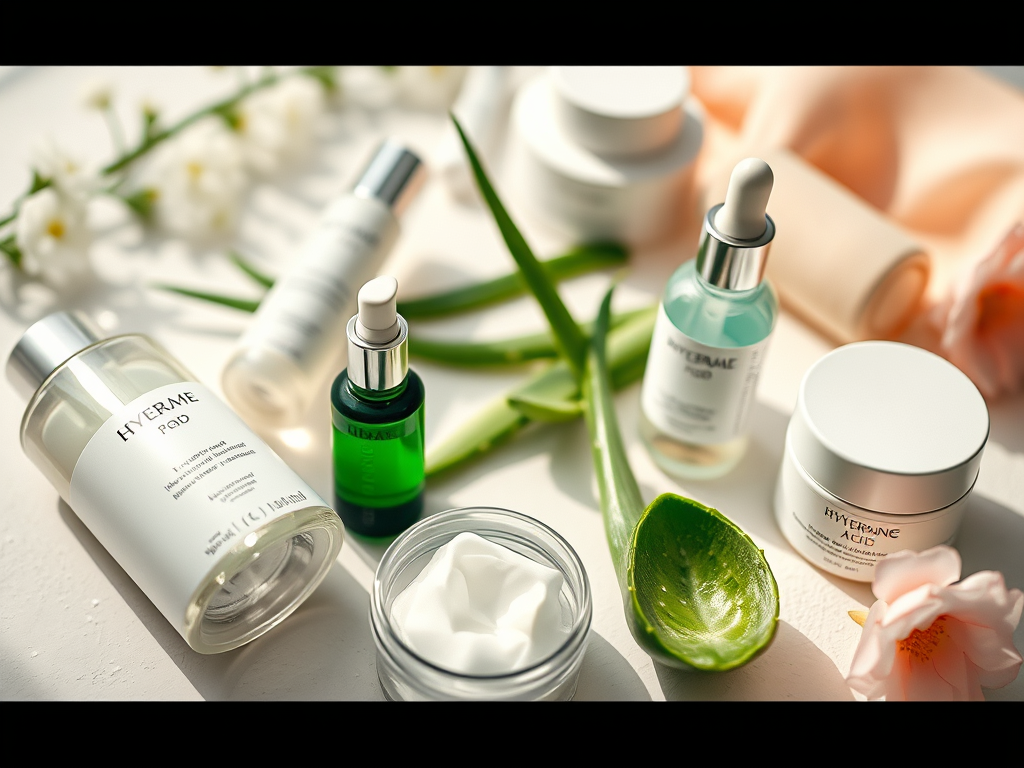
A Hydration Routine Is Only as Strong as Its Weakest Layer
Dry, tight-feeling skin rarely comes down to one missing ingredient. Moisture in the outer skin depends on two things happening at once: how much water the upper layers hold, and how well the surface keeps that water from escaping into the air. A product can be excellent at the first job and useless at the second. That is why two people can use the same hydrating lotion and describe completely different results.
This guide looks at deep hydration in skincare through a layering lens rather than a ranking. Instead of naming one hero ingredient, it breaks hydration into the three jobs ingredients actually perform, then maps those jobs onto a real bath and body routine using products available at tri-valley.us. The emphasis here is body care rather than facial serums, because that is where most hydration routines quietly succeed or fail.
The Three Jobs Every Hydrating Ingredient Does
Nearly every ingredient sold for deep hydration falls into one of three categories. Knowing which category you are buying changes how, and when, you should use it.
Humectants attract and hold water
Humectants bind water and pull it toward the skin surface. Hyaluronic acid is the best-known example, alongside glycerin, panthenol and various sugar compounds. They are light, layer well under other products, and suit most skin types. Their weakness is context: in very dry air, a humectant with no seal over it can draw moisture from deeper layers and leave skin feeling tight again. Humectants work best applied to damp skin and covered afterwards.
Emollients soften and smooth
Emollients include oils, butters, fatty alcohols and esters. They fill the small gaps between surface cells so skin feels supple instead of rough. Shea and coconut-derived butters are common in this group, and whipped body butter is essentially an emollient-rich format. Emollients improve how skin feels immediately, which is why they are often mistaken for deep hydration when they are really improving texture.
Occlusives slow water loss
Occlusives form a film that reduces evaporation. Petrolatum is the classic example, but body oils and oil sticks act as lighter versions of the same idea. This is the step most home routines skip, and it is usually the reason a hydrating lotion stops working by mid-afternoon. A thin occlusive layer over a humectant is the single most reliable sequencing change you can make.
Where Hyaluronic Acid Fits, and Where It Does Not
Hyaluronic acid is a humectant first. It is popular because it is lightweight, generally well tolerated and layers under almost anything. What it does not do is seal. Applied to dry skin in a dry room with nothing over it, it can leave skin feeling parched within the hour. The fix is almost always ordering: damp skin, humectant, then an emollient or occlusive.
The Skin So Soft + Hydroplenish with Hyaluronic Acid Set ($19.99) illustrates the point in a single purchase. It bundles a 3.1 oz Skin So Soft Soft and Sensual Bar Soap, an 8.2 oz HydroPlenish with Hyaluronic Acid Body Scrub and an 11.8 fl oz Hydrating Hyaluronic Acid Body Lotion. The lotion is the step that follows cleansing, not a standalone treatment, and the scrub belongs before it rather than after.
Building Deep Hydration Into a Bath and Body Routine
Step one: cleanse without stripping
Hot water and long soaks dissolve the lipids that keep skin comfortable. Short, lukewarm baths and shower gels that rinse cleanly matter more than most people expect. A set such as the Senses Vanilla Set ($13.99) or the Senses Cucumber Melon Set ($13.99) includes a 24 fl oz bubble bath, a 5 fl oz shower gel and a 3.4 fl oz hand cream, which is a useful reminder that the after-bath step ships with the product rather than being an extra.
Step two: apply to damp skin
Humectants need water to hold. Patting skin partly dry and then applying a lotion or cream while it is still slightly damp gives those ingredients something to work with. Waiting until skin is fully dry and then applying the same product is a common reason people conclude a lotion does nothing.
Step three: seal with an emollient or occlusive
Whipped body butter or a body oil stick over a damp layer is the simplest way to hold moisture in place. The Senses Copacabana Coconut Set ($26.99) pairs a 1.7 oz Skin So Soft Original Body Oil Stick and a 6 oz Copacabana Coconut Whipped Body Butter with a 24 fl oz bubble bath. The Senses Mango Samba Set ($26.99) follows the same structure with a Soft and Sensual Body Oil Stick and a Mango Samba Splash Whipped Body Butter.
Matching the Routine to the Actual Complaint
Different symptoms call for different layers, and buying one more humectant is rarely the answer to every problem.
Tightness after washing
This usually means cleansing is too aggressive or the seal step is missing. The Nighttime Reset Essentials 3-Piece Set ($18.99) includes a 5 fl oz Skin So Soft Original Bath Oil Spray, a 24 fl oz Senses Sensitive Skin Bubble Bath and a 3.4 fl oz Moisture Therapy Silicone Glove Hand Cream. The bath oil spray is the occlusive-style step, and the sensitive skin bubble bath is the gentler cleanse.
Rough, flaky patches
Texture complaints respond better to emollient-rich formats than to watery lotions. Body butter is the obvious move, which is why the two oil-stick and body-butter sets above are the better starting point than a lightweight gel.
Hands and hard-working skin
Hands lose moisture quickly and are washed constantly, so a dedicated cream used after every wash beats a once-daily application. The Skin So Soft Essentials Set ($17.99) combines a 3.1 oz Skin So Soft Original Bar Soap, a 6.7 fl oz Hit Pause Hydrating Body Cream and a 1 fl oz Skin So Soft Fresh and Smooth Facial Hair Removal Cream. Buy it for the soap and body cream; the third item is not a hydration product.
Fragrance sensitivity and variety
The Senses Cherry Blossom Bath Set ($13.99) follows the same three-piece structure as the vanilla and cucumber melon sets with a hand cream, bubble bath and shower gel. Scent preference is personal and does not by itself indicate how a formula will behave on your skin.
Honest Limitations
The product data behind this article lists names, sizes, prices and bundle contents, not full ingredient lists. Beyond what the product names state, this guide does not claim which humectants, emollients or occlusives appear in each formula, and it does not assign percentages or concentrations. Deep hydration is also not a treatment for any skin condition. Persistent dryness, cracking, itching or rash deserves assessment from a qualified clinician rather than another bottle. Individual results vary with climate, water hardness, age, medication and how often you bathe, and no routine works identically for everyone. Bundles are value packs, not treatment plans, and prices and contents can change.
Conclusion
The best ingredients for deep hydration are not a shortlist to buy from but a sequence to follow: something that holds water, something that softens, and something that slows water loss. Most routines already contain one of the three and are missing another. Before adding a new product, check whether your routine has a humectant applied to damp skin and a sealing step afterwards. The bath and body sets at tri-valley.us make that experiment inexpensive, because each bundle already spreads the three jobs across a cleanse, a treatment and a finishing layer.