
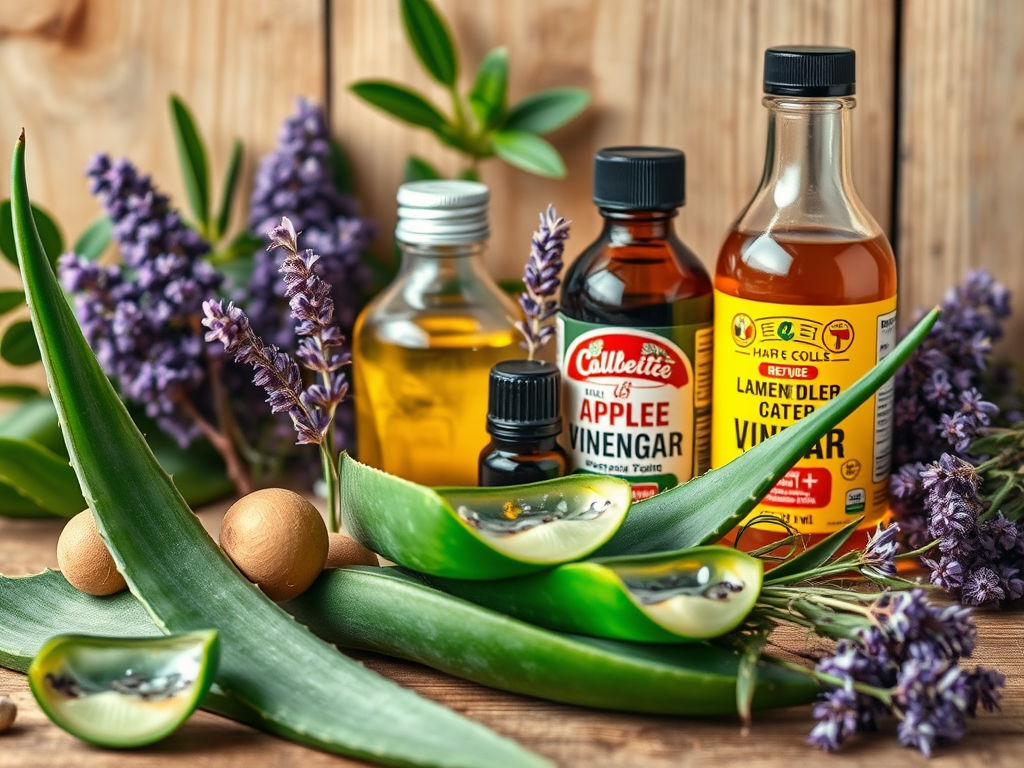
Stronger, Shinier Hair Starts With the Skin You Can’t See
Most hair advice begins at the ends — serums, glosses, shine sprays. A more useful starting point is the scalp, which is skin, and skin responds to the same basics as the rest of your body: gentle cleansing, consistent moisture, and fewer harsh surprises. If you came here looking for natural remedies for stronger, shinier hair, the practical version of that idea is not one miracle ingredient. It is a short, repeatable routine built around oils, warmth and patience — plus a clear-eyed view of which products actually belong on your head.
This guide takes an oil-first angle: how oils fit into washing, conditioning and detangling, how to read a label before you commit, and where the honest limits are. Along the way we point to bath-and-body products from the tri-valley.us catalogue that fit the routine, with the caveat that most of them are formulated for skin, not strands.
Why Oils Still Earn a Place in a Hair Routine
Oils do two modest jobs well. Applied before washing, they can help loosen buildup and reduce the friction that snaps wet hair. Applied sparingly after washing, they can smooth the outer layer of the hair shaft so light reflects more evenly — which is most of what shine actually is. What oils cannot do is change the structure of a strand, replace protein, or repair a split end. Think of them as lubricant and finisher, not treatment.
Because of that, the useful question is not which oil is strongest but where oil belongs in your week. A routine that answers that question beats a shelf of half-used bottles.
Reading Labels Without Getting Fooled by the Word Natural
Natural is a marketing word, not a safety certificate. Botanical oils can still irritate a sensitive scalp, and essential oils are among the common triggers of contact reactions in personal care. Two habits keep you out of trouble:
- Patch test anything new on the inside of your elbow or behind your ear for a day before it goes near your scalp.
- Check what the product was designed for. A bath oil and a hair oil can share ingredients and still behave very differently once water and surfactants are involved.
That second point matters for this catalogue specifically. Skin So Soft and Senses are bath-and-body lines. They are pleasant, oil-rich and gentle-feeling on skin, but they are not sold as hair treatments, and this article will not pretend otherwise.
An Oil-First Routine You Can Keep
Step 1 — Pre-wash oiling, once a week
Warm a small amount of oil between your palms and work it through the mid-lengths and ends, keeping the scalp mostly clear unless your scalp is dry and you know it tolerates oil. Leave it twenty to thirty minutes, then wash as usual. A pump or spray format is easier to control than a bottle you pour from. The Skin So Soft Original Gift Set ($31.49) includes a 6.76 fl. oz. Original Gelled Body Oil, a 5 fl. oz. Bath Oil Spray and a 1.7 oz. Body Oil Stick, so you get three textures to experiment with — again, all formulated for the body.
Step 2 — Wash with less aggression
Shampoo the scalp, let the runoff clean the ends, and keep the water lukewarm rather than hot. Hot water lifts away the oils you just added. If your hair is fine, pre-wash oiling may be too much; try ends only and see how your hair dries.
Step 3 — Seal the ends, skip the roots
On damp — not soaking — hair, use two or three drops through the ends. The Skin So Soft Soft & Sensual Gift Set ($25.99) pairs the Gelled Body Oil with a 3.4 fl. oz. hand cream, an oil stick and a gift bag; the stick is handy for spot-finishing dry ends without over-applying. The smaller Merry Snuggle Gift Set ($9.99) is a low-cost way to test two hand creams and two lip balms before buying full sizes.
Step 4 — Protect the perimeter
Hair at the hairline and nape is finer and takes more mechanical abuse. Outdoors, cover your hair with a hat and use repellent on exposed skin. The Skin So Soft Bug Guard Plus Picaridin Pump Spray ($14.00) is a 4 fl. oz. pump made with picaridin as a DEET alternative, with a light, clean feel. Keep it off your scalp unless the label says otherwise.
The Supporting Cast: Small Comforts That Keep You Consistent
Consistency is the real variable in any routine, and small items keep a routine pleasant enough to repeat. The Senses S’mores & Snuggles Gift Set ($24.99) bundles a 6 oz. whipped body butter, a 24 fl. oz. bubble bath and a 1.7 fl. oz. hand cream — useful for the slow evening that makes a weekly hair ritual feel less like a chore. For lips, the Senses Vanilla Latte Lip Balm and Senses Hot Chocolate Lip Balm are $3.00 each and formulated with vitamin E and aloe vera, while the fragrance-free Avon Calendar Lip Balm ($3.00) is the safer pick if scents bother you. None of these are hair products; they simply support the same low-irritation habits.
What Natural Remedies Won’t Do
Be skeptical of any routine that promises transformation. Oils will not regrow hair, thicken strands, or reverse damage from bleach, relaxers or years of daily flat-ironing. If your hair is shedding more than usual, breaking at the root, or your scalp is persistently painful, itchy or flaking, that is a reason to see a doctor or dermatologist, not to buy another bottle of oil. No product page can diagnose that.
There is also no single best oil. Coconut, olive, argan and mineral-based oils behave differently on fine, coarse, low-porosity and high-porosity hair. The only reliable test is a small one on your own head, over several weeks, with everything else held steady.
A Realistic Place to Start
Pick one change: pre-wash oiling once a week, or sealing your ends on damp hair. Do it for a month. If your hair feels softer and reflects more light, keep it. If it feels heavy or your scalp complains, stop. The point of an oil-first routine is not purity — it is fewer variables, gentler handling, and a habit you will actually maintain. Start there, and the shine tends to follow.