
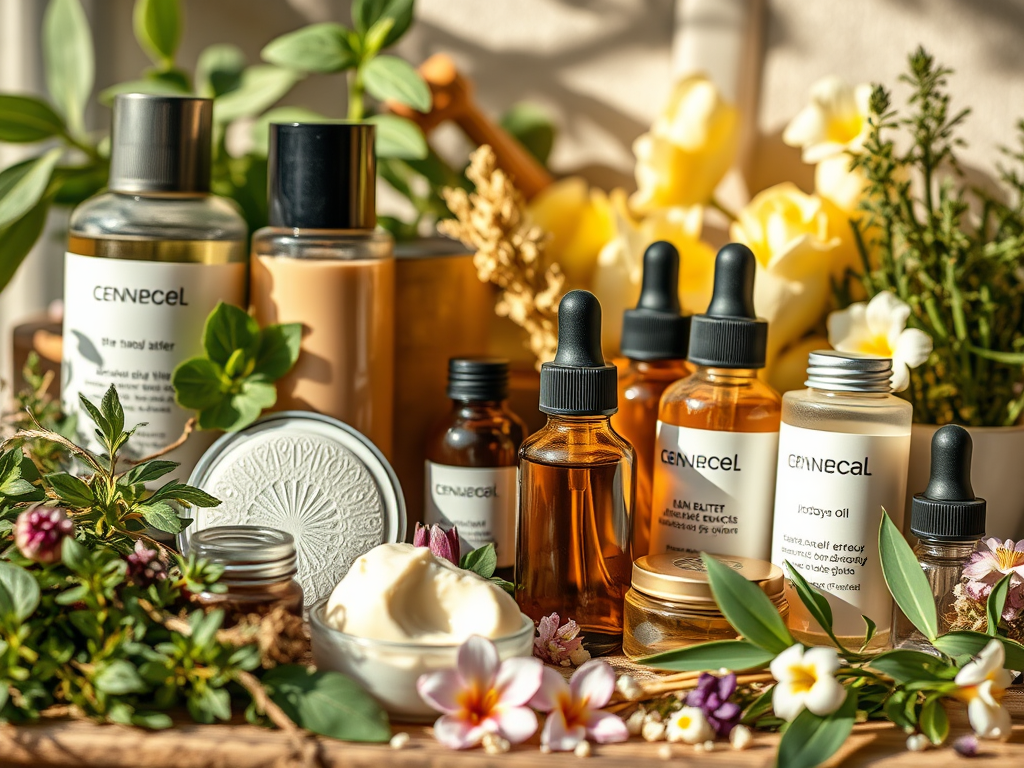
Natural Makeup Begins With the Skin Underneath
Most guides to all-natural makeup start at the display shelf: which mineral foundation, which cream blush, which sheer lip tint. A more useful starting point is the hour before you apply anything and the ten minutes after you take it off. Colour cosmetics sit on top of whatever your skin has met that day — cleanser, scrub, lotion, sun, sweat, and the residue yesterday’s mascara left behind. If the aim is a gentler, more considered routine, the products surrounding your makeup matter as much as the makeup itself.
This guide takes that surrounding routine seriously. It covers what the word “natural” can and cannot tell you on a package, the prep and removal steps that make the biggest practical difference, and the bath-and-body sets available at tri-valley.us that can carry those steps. It also says plainly what this catalogue does not include, so you know where to look elsewhere.
What “Natural” Does and Does Not Tell You
In most markets, “natural” is a marketing term rather than a tightly regulated category, and it is not interchangeable with “organic.” Neither word guarantees that a product will suit your skin. A plant-derived oil can still provoke a reaction in someone sensitive to it, and a lab-made ingredient can be perfectly well tolerated. The phrase is a starting point for a conversation, not a conclusion.
The practical habit is to read the ingredient list rather than the front of the box. Ingredients are normally listed in descending order of concentration, so the first five or six names describe most of what is in the bottle. If a plant extract you were hoping for appears after the preservatives, it is present in a small amount.
Three terms worth keeping straight
- Natural — loosely used, inconsistently defined, and often self-declared.
- Organic — usually refers to how ingredients were farmed, and may be certified by a third party; a product can be organic in one ingredient and not in others.
- Fragrance-free vs. unscented — “unscented” can mean masking scents were added; “fragrance-free” is the more literal claim.
None of this makes a product good or bad on its own. It simply tells you what you are actually buying.
Step One: Cleanse Before You Apply
Makeup sits most evenly on skin that is clean and not freshly scrubbed raw. For a straightforward daily wash, the Skin So Soft Essentials Set at $17.99 bundles three items: Skin So Soft Original Bar Soap (3.1 oz.), Hit Pause Hydrating Body Cream (6.7 fl. oz.), and Skin So Soft Fresh & Smooth Facial Hair Removal Cream (1 fl. oz.).
The soap covers the everyday cleanse. The facial hair removal cream addresses the fine facial hair that can make powder and foundation look uneven under bright light — a prep step many natural-makeup guides skip entirely, even though it affects how colour cosmetics sit.
Step Two: Smooth and Hydrate Before Colour
Dry, tight skin tends to make powder look chalky and cream products catch on flakes. Hydrating before you apply anything is the least glamorous and most reliable improvement you can make to a natural-looking finish.
The Skin So Soft + Hydroplenish with Hyaluronic Acid Set is $19.99 and contains Skin So Soft Soft & Sensual Bar Soap (3.1 oz.), the HydroPlenish with Hyaluronic Acid Body Scrub (8.2 oz.), and the HydroPlenish with Hydrating Hyaluronic Acid Body Lotion (11.8 fl. oz.). Used as a sequence — soap, then scrub once or twice a week, then lotion — it gives you a smooth base on the body for anything that shows below the neckline. Be conservative with the scrub; over-exfoliating works against the smooth finish you are after.
Step Three: Take It All Off Properly
This is where most natural routines quietly fail. Cleansing off makeup with a harsh wash, or going to bed with it on, undoes the care taken in the morning. A slower evening routine does more for how skin looks the next day than most products applied in the morning.
The Nighttime Reset Essentials 3-Piece Set at $18.99 includes Skin So Soft Original Bath Oil Spray (5 fl. oz.), Senses Sensitive Skin Bubble Bath (24 fl. oz.), and Moisture Therapy Silicone Glove Hand Cream (3.4 fl. oz.). Used as an end-of-day routine, it covers the oil-based step that helps lift long-wear makeup, a bath option for winding down, and hand care after washing. Pair it with whatever gentle facial cleanser you already trust — the set handles the body side of the job.
Choosing a Scent You Will Actually Use
A natural-adjacent routine only works if you enjoy it enough to repeat it. Scent is the most personal variable in that calculation, and the fastest way to end up with an unused bottle is to buy for the label rather than the smell.
Three options sit at $13.99: the Senses Cherry Blossom Bath Set (Moisture Therapy Intensive Healing & Repair Hand Cream 3.4 fl. oz., Senses Cherry Blossom Bubble Bath 24 fl. oz., Senses Blushing Cherry Blossom Shower Gel 5 fl. oz.), the Senses Vanilla Set with the same hand cream plus Senses Vanilla Cream Bubble Bath and Senses Silky Vanilla Shower Gel, and the Senses Cucumber Melon Set with Senses Fresh Cucumber & Melon Shower Gel and Cucumber Melon Bubble Bath. The cucumber and melon combination is the lightest of the three; vanilla is the warmest.
Two larger sets sit at $26.99. The Senses Mango Samba Set pairs a Skin So Soft Soft & Sensual Body Oil Stick (1.7 oz.) with Mango Samba Splash Bubble Bath (24 fl. oz.) and Mango Samba Splash Whipped Body Butter (6 oz.). The Senses Copacabana Coconut Set swaps in a Skin So Soft Original Body Oil Stick and Copacabana Coconut Bubble Bath and Whipped Body Butter at the same sizes. The body oil sticks are the piece most relevant to a makeup routine: a light layer on shoulders, collarbones and legs adds a sheen that photographs well and needs no colour product at all.
What This Catalogue Does Not Include
Being honest about the gap matters more than pretending it is not there. The products listed here are bath and body items — soap, scrub, lotion, bath oil, shower gel, bubble bath, body butter, hand cream, and one facial hair removal cream. There is no foundation, concealer, blush, mascara, eyeliner, or lip colour in this list.
There is also no ingredient breakdown, certification, or testing information supplied for these items beyond the names and sizes above. So nothing here should be read as a claim about what is inside them, and nothing here is a claim about what they will do for a skin condition. If you are looking for the colour half of an all-natural makeup routine, you will need a specialist cosmetics source; what tri-valley.us can genuinely support is the prep and the removal.
Putting the Routine in Order
Start with the sequence rather than the shopping list. Cleanse with the Skin So Soft Essentials Set soap, hydrate with the HydroPlenish lotion, apply whatever colour cosmetics you already use, then remove properly at night and follow with body care. Introduce scents and body oils once the basics are habit.
If a product stings, itches, or leaves skin feeling tight, stop using it — “natural” is not a synonym for gentle, and a reaction is a reaction regardless of the ingredient list. Patch-test anything new on a small area first, keep your routine short enough that you can tell what caused a problem, and treat the label as information rather than a promise.