
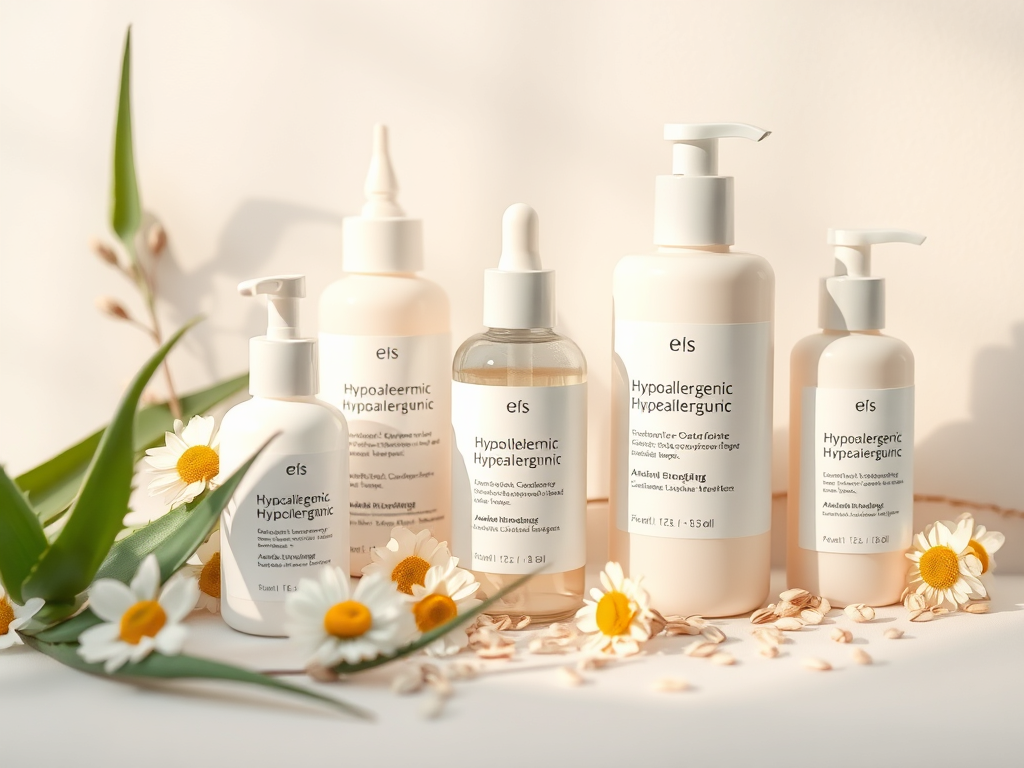
Why the Fix Is Usually Subtraction
When skin stings, itches or flushes, the instinct is to buy a better product. A more useful first move is to remove variables. Reactive skin often settles when the number of things touching it drops, because you can finally tell what caused a flare-up. Before adding anything new, strip your routine to the fewest steps you can comfortably tolerate, then reintroduce one item every five to seven days. If nothing changes, that item is probably fine for you. If something does change, you have your answer without guessing.
This is a deliberately unglamorous approach, and it is the opposite of a ten-step routine. But it is the one that gives you information you can act on.
Signs Your Skin Is Asking for Less
People describe sensitivity in different ways: tightness after washing, redness that appears quickly, itching, a stinging sensation when something new goes on, or small bumps that show up after a product change. None of these is a diagnosis on its own. What matters is the pattern. If a reaction follows a specific product or habit, note it. If reactions happen constantly with no obvious trigger, that pattern is worth raising with a clinician rather than troubleshooting alone.
It also helps to separate skin sensitivity from other causes of irritation. Weather, sun exposure, hot water, stress, poor sleep and a scratchy scarf can all produce the same redness a new serum gets blamed for.
Reading a Label When Your Skin Reacts
General guidance for reactive skin usually points to a short ingredient list, fragrance kept low or absent, and alcohol high on the list treated with caution. Fragrance is one of the most commonly reported triggers, which is why fragrance-free is often recommended for people who flare easily. That said, ingredient lists change and formulations differ by region, so the label on the bottle in front of you is the only one that counts.
Two habits help more than label-scanning alone: patch test on a small area such as the inner forearm or behind the ear and wait a day or two before using it on your face, and introduce only one new product at a time. Testing three products at once tells you nothing about which one was the problem.
A Low-Variable Routine, Step by Step
Morning
Rinse with lukewarm water or a gentle cleanser, apply a basic moisturiser if your skin feels tight, and use sun protection. Sun exposure is a common aggravator of visible redness, so a daily sunscreen habit is usually the highest-value step in a sensitive-skin routine. Keep it to three steps or fewer.
Evening
Remove makeup without scrubbing, cleanse once, moisturise. If you are reintroducing an active ingredient, do it here, alone, and on a night when you have nothing else planned for your skin. Skip exfoliating acids and strong scrubs on days your skin already feels reactive.
Weekly
Change pillowcases, wash makeup brushes, and check expiry dates on anything liquid near your eyes. Tools and textiles cause more irritation than most people expect.
Where Makeup Fits When Skin Is Reactive
Makeup sits on skin for hours, so application habits matter as much as formulas. Keep brushes clean, replace mascara on schedule, and skip a full face on days skin is already unhappy. Tri-Valley’s current lineup is makeup-led, and a few of the bundles suit a lighter approach. The Beauty Basics Eye Set ($20.99) bundles a Glimmer SuperShock Volumizing Mascara (0.338 fl. oz.), a Glimmer Primer Infused Eyeshadow Stick in Tidal Wave (0.05 oz.) and a 6-inch eyeshadow blending brush, which is a compact way to keep only a few open products at a time. The Glimmer Eyes Set ($24.99) adds a Glimmer Multi Eyeshadow Quad in Temptress (0.21 oz. total), a Match Embrace Gripping Primer (1 fl. oz.) and a 5 ¼-inch precision eye brush.
These are described as makeup options for eyes, lips and cheeks, and full ingredient lists are not provided in the supplied product details. Treat them as makeup to patch test like anything else, alongside whatever cleanser, moisturiser and sunscreen you already use.
Lip and Cheek Options for a Minimal Face
If your skin prefers a light base, colour on lips and cheeks often gives more payoff per product than layering foundation. The Glimmer Satin and Shimmer Set ($20.99) includes a Glimmer Satin Lipstick in Plum Blossom (0.10 oz.), a Glimmer Liquid Eyeshadow in Rose Gold (0.07 fl. oz.) and Glimmer Be Blushed Cheek Color in Crushed Berry (0.14 oz.). The Glimmer Matte and Shimmer Set ($20.99) swaps in a Matte Lipstick in Terra Nova and a Be Blushed Cheek Color in Icy Petal. For a warmer, bronzed look there is the Bronze & Glow Set ($26.99) with a Love True Devotion Liquid Blush, a Match Embrace Gripping Primer and a Match Bronze Sculpting Powder in Bronzed (0.28 oz.), or the Bronze, Lip & Eyeshadow Set ($23.99) with a Match Bronze Sculpting Powder in Deep Bronze, a Love Plush Lip Oil in Bachelorette and a Glimmer Primer Infused Eyeshadow Stick in Maple Mocha.
Fragrance, Bags and the Rest of the Catalog
Two bundles in the current lineup are scent-forward rather than skin-care oriented. The Bestie Duo Set ($29.99) pairs a Far Away Rio Eau de Parfum (1.7 fl. oz.) with a quilted olive nylon puffer bag, and the Scent & Style Edit Set ($29.99) pairs a Far Away Moroccan Nights Eau de Parfum (1.7 fl. oz.) with a black quilted nylon puffer bag. Since fragrance is a frequently reported trigger for reactive skin, it is worth deciding on perfume separately from your facial routine, and applying scent to clothing or pulse points rather than freshly treated skin. The bags are accessories with no skin contact claims.
What This Storefront Does and Does Not Stock
This is the honest limitation of shopping Tri-Valley for this topic. The supplied product list contains makeup bundles, fragrance sets and accessories. It does not include a dedicated cleanser, moisturiser or sunscreen, so no specific product can be recommended for those steps from this catalog. If you need those steps covered, source them elsewhere and use the guidance above to judge them; if you need makeup, scent or a gift bundle, that is exactly what is listed. Anyone with persistent, painful or worsening symptoms should see a clinician rather than shop their way out of it.
A Practical Two-Week Reset
Days 1 to 3: stop all actives and scrubs, keep cleansing and moisturising to a minimum, and note how your skin behaves. Days 4 to 10: reintroduce one product or one makeup item every five to seven days, patch testing first. Days 11 to 14: keep whatever caused no change, drop whatever did, and clean your brushes. If you want to add a colour step with the skincare reset, start with one small bundle rather than a full face, so you are still changing only one thing at a time.
The Point Is Fewer Decisions
Gentle care for sensitive skin is less about the product you add and more about lowering the number of variables you have to keep track of. Simplify, test one thing at a time, protect your skin from the sun, and let your own notes — not marketing language — decide what stays. Makeup can still be part of that routine; the bundles above are simply what this storefront currently carries, and they deserve the same patch-test caution as everything else.